Eldoret, Kenya
Completed
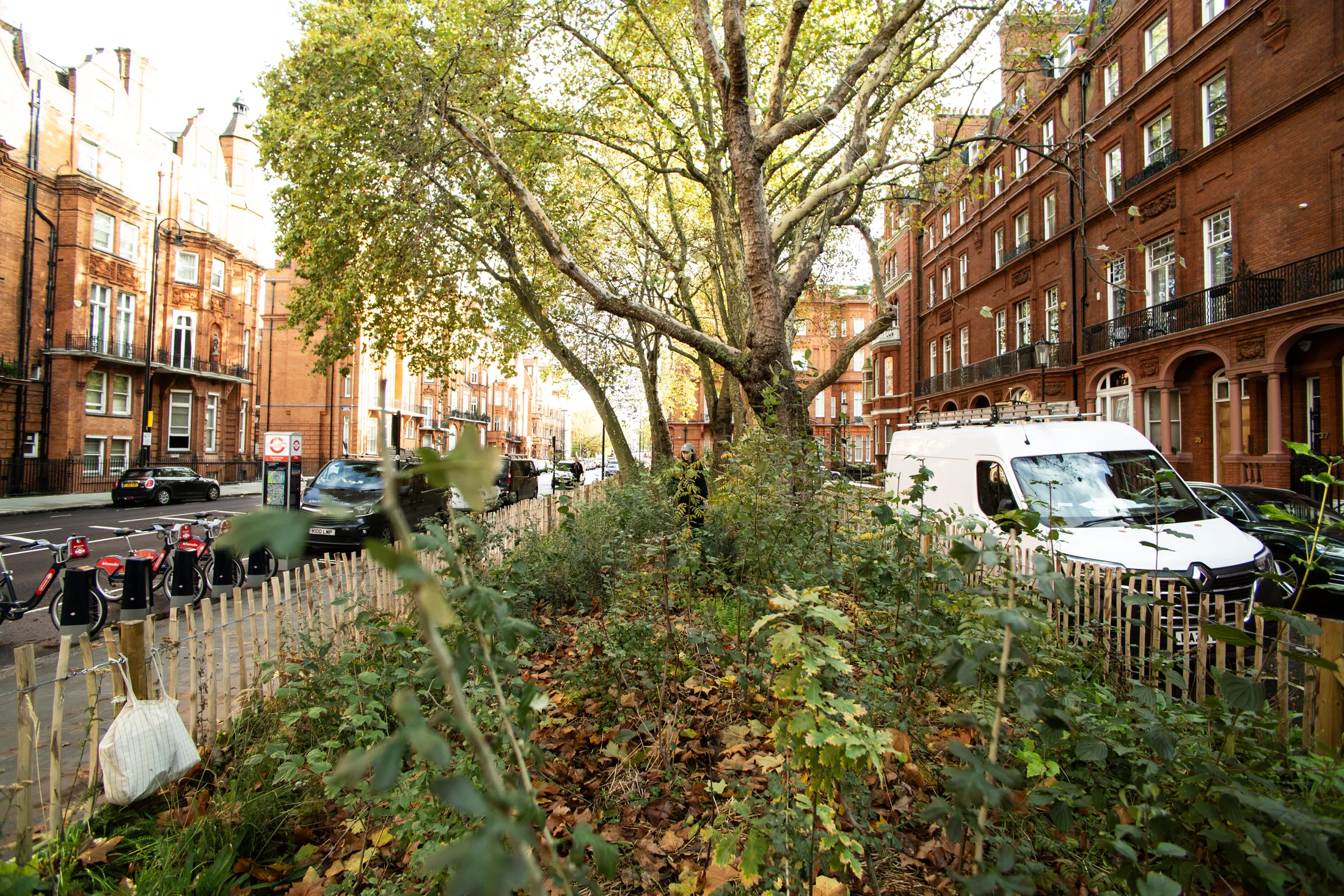
Concrete-to-Canopy Pocket Forest
We transformed an abandoned half-acre parking lot into a dense, biodiverse Miyawaki forest, restoring local pollinator habitats and actively cooling the surrounding neighborhood.


Quick Project Facts
Attribute
Details
📍 Location
Tulsa, Oklahoma (USA)
♻️ Waste Used
Miyawaki Afforestation Method
🔋 Biogas Capacity
1,200 Native Saplings
⚡ Energy Output
-4°F Local Average
🏁 Completion
💰 ROI
Miyawaki Afforestation Method

Implementation Process
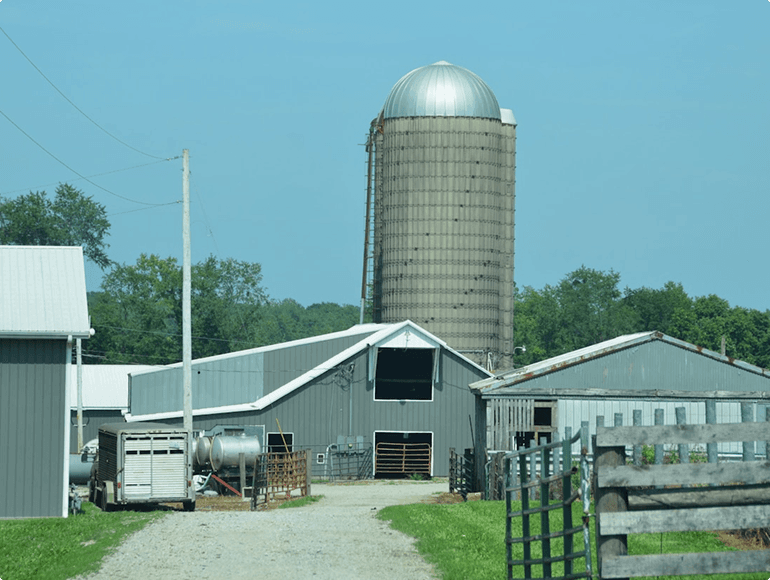
Before installation, Green Pastures relied on diesel generators to run milking machines and chillers—costly, unreliable, and carbon-intensive. With rising fuel costs and local climate pressures, the farm needed a renewable solution to support its dairy operations.


Photo Gallery
Impact Area
🌱 CO₂ Reduced
🔌 Diesel Replaced
💸 Cost Savings
🧪 Byproduct
👷 Jobs Created
Challenges & Innovations
The high elevation of Eldoret meant cooler nights, which can slow digestion. We added thermal insulation and used slurry pre-warming to maintain optimal temperatures and microbial activity.
Conclusion
Biogas is more than a renewable energy solution—it’s a practical, cost-effective tool that empowers farmers to do more with what they already have.
From reducing fuel expenses to improving soil health and creating new revenue streams, the impact is clear. As more small farms adopt this technology, the agricultural landscape in Africa is being reshaped—cleaner, more resilient, and future-ready.